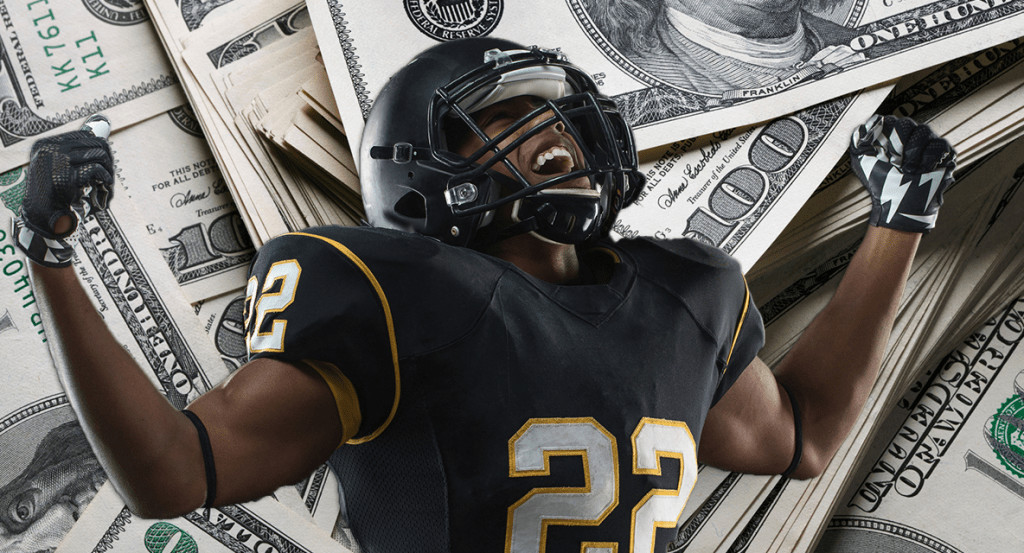
Name. Image. Likeness. The three words have opened Pandora’s Box and are shaking the landscape of college athletics.
The history of NIL goes back to a class-action lawsuit filed in the late 2000s when former UCLA basketball player Ed O’Bannon argued that college athletes should be compensated for the use of their name and image in video games. This marked the beginning of the “should college athletes be paid” debate.
Now why is the NIL sparking controversy? The opponents of the NIL believe that it will further deepen the existing disparities among student-athletes. Since not all student-athletes will have the privilege of benefiting from the NIL, the student-athletes’ opportunities to gain financial profits will lead to lack of motivation and teamwork for those who don’t make money off themselves. Another unethical outcome of the NIL would be the increase of businesses that offer more money to student-athletes than the NCAA would actually allow.
But is allowing student-athletes to profit from their talents detrimental to the ethics in both higher education and college athletics?
Higher education is an interesting territory in which the past coexists with the future. The mission of every institution of higher education is to, by providing educational resources and offering experiences, prepare students to thrive not only while they are in school, but also, when they enter the real world. This universal goal of preparing students for the real world clearly demonstrates the schools’ emphasis on the future. Ironically, neither the pedagogy nor the curriculum of higher education has made enough progress to meet this goal. While schools have created innovative programs and implemented practicum courses that offer students experiential education and professional experience, schools are still focusing too heavily on academics. In our capitalist society, students should not only acquire financial literacy, but also, they need to learn how to maximize their profits. That said, opposing the NIL implies the schools’ efforts to discourage students from thriving and succeeding after college. Through various NIL opportunities, student-athletes will be able to better prepare themselves for the future, having honed all the skills they will need to earn money smartly and efficiently. Besides, how is student-athletes’ use of NIL to generate profits different from student entrepreneurs’ use of business pitch competitions that come with financial rewards and publicity?
It is time for both higher education and college athletics to move forward. Instead of discouraging students from making money off of what they are talented at, let’s provide them with resources and opportunities that will help them make wise and ethical choices and decisions.
 Sphere of sports